

Welcome!
Activate your sociological imagination and browse our collection of over 250 streaming videos, documentaries, and movies. This site is dedicated to highlighting engaging media infused with sociological thinking. Our content is currently divided into two main categories: (1) Videos you can find on streaming services such as YouTube, Vimeo, and Dailymotion, and (2) Documentaries & Films* available through subscription services such as Netflix, Hulu, Amazon, HBO, and others.
See our helpful guide for best practices on using videos in your lecture…
Subscribe to our RSS Feed as new content is added frequently and follow us on Facebook!
Know of a video or clip you think is sociologically stimulating? We would be happy to feature it on our site and give you proper credit for your discovery. We're always looking for contributions and you can learn more by clicking the link below.
Recent Updates:

This video profiles gender creative parenting, a practice where parents intentionally withhold their child's sex and gender identity from the public to avoid gender socialization. This movement embraces the social construction of gender while challenging the culturally dominant binary sex/gender system that organizes social life into performative categories and self-fulfilling prophecies.
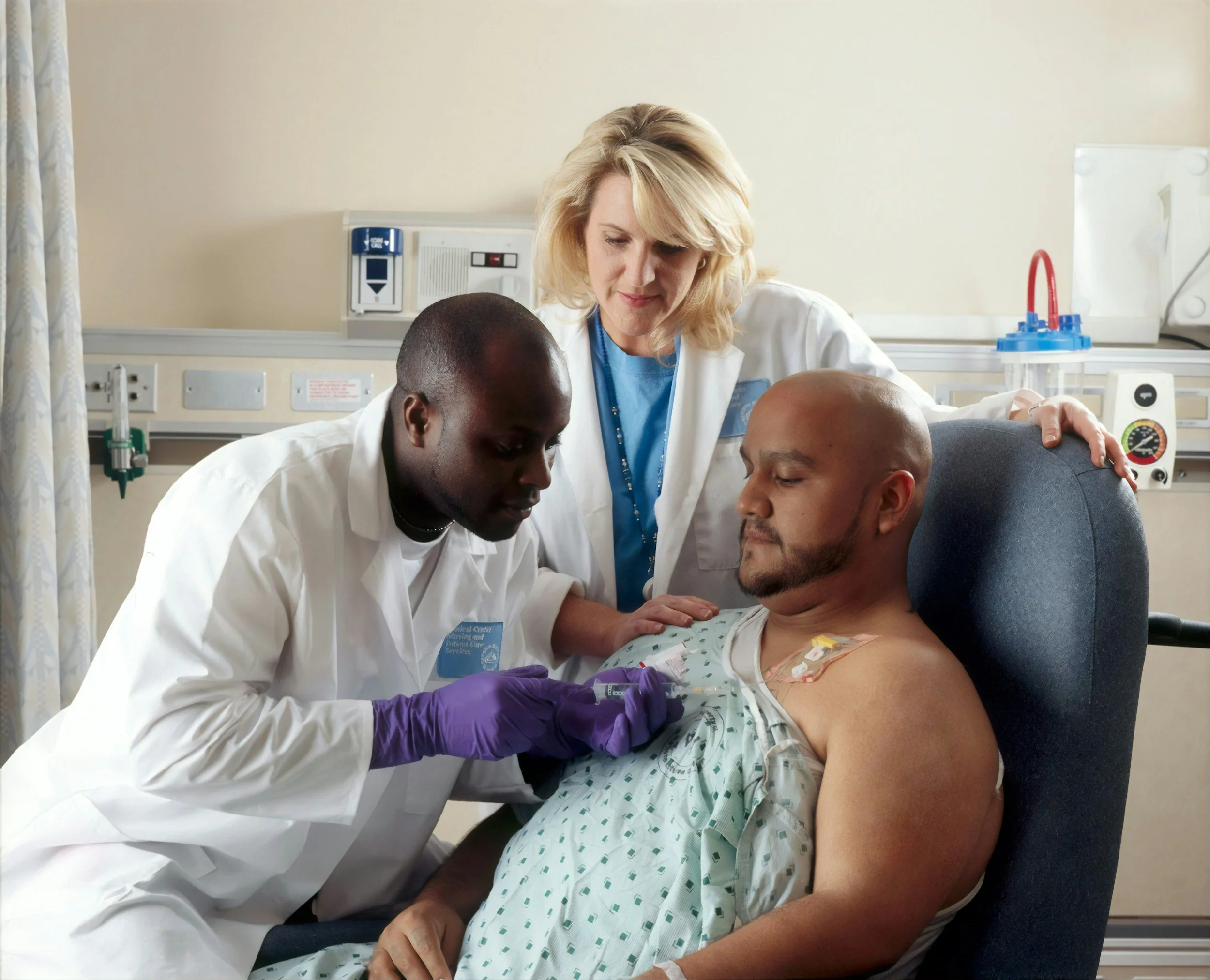
This video examines the public health concept of weathering, a theory that chronic stress stemming from systemic issues (such as institutional racism, classism, and material hardship) acts like environmental erosion on the body. This can lead to premature aging and chronic disease as social inequality negatively affects the physical body, even at the cellular level.

This video explores the sociological phenomenon of parasocial relationships, defined as the intense, one-sided emotional bonds fans develop with celebrities. Sociologist Kerry Ferris is interviewed and explains how celebrities function as vessels for societal ideals, embodying wealth, talent, and aesthetic beauty. In fact, a brush with a famous person often feels significant because the "glory" of their status is perceived to rub off on the fan.

This provocative video introduces the concept of luxury beliefs: self-serving political positions held by the elite that often harm the marginalized. Examples of these include defunding the police, decriminalizing drugs, eliminating standardized testing, and rejecting marriage. In such cases, complex issues are reduced to simple tales of good and evil while overlooking how implementing such policies may be experienced differently along lines of social class, education level, race, and more.

This video exposes the reality of the "human-in-the-loop" AI economy, revealing how technological progress often relies on the systematic exploitation of precarious labor in the Global South. Sociological concepts include digital colonialism, global inequality, and the “digital sweatshop.”
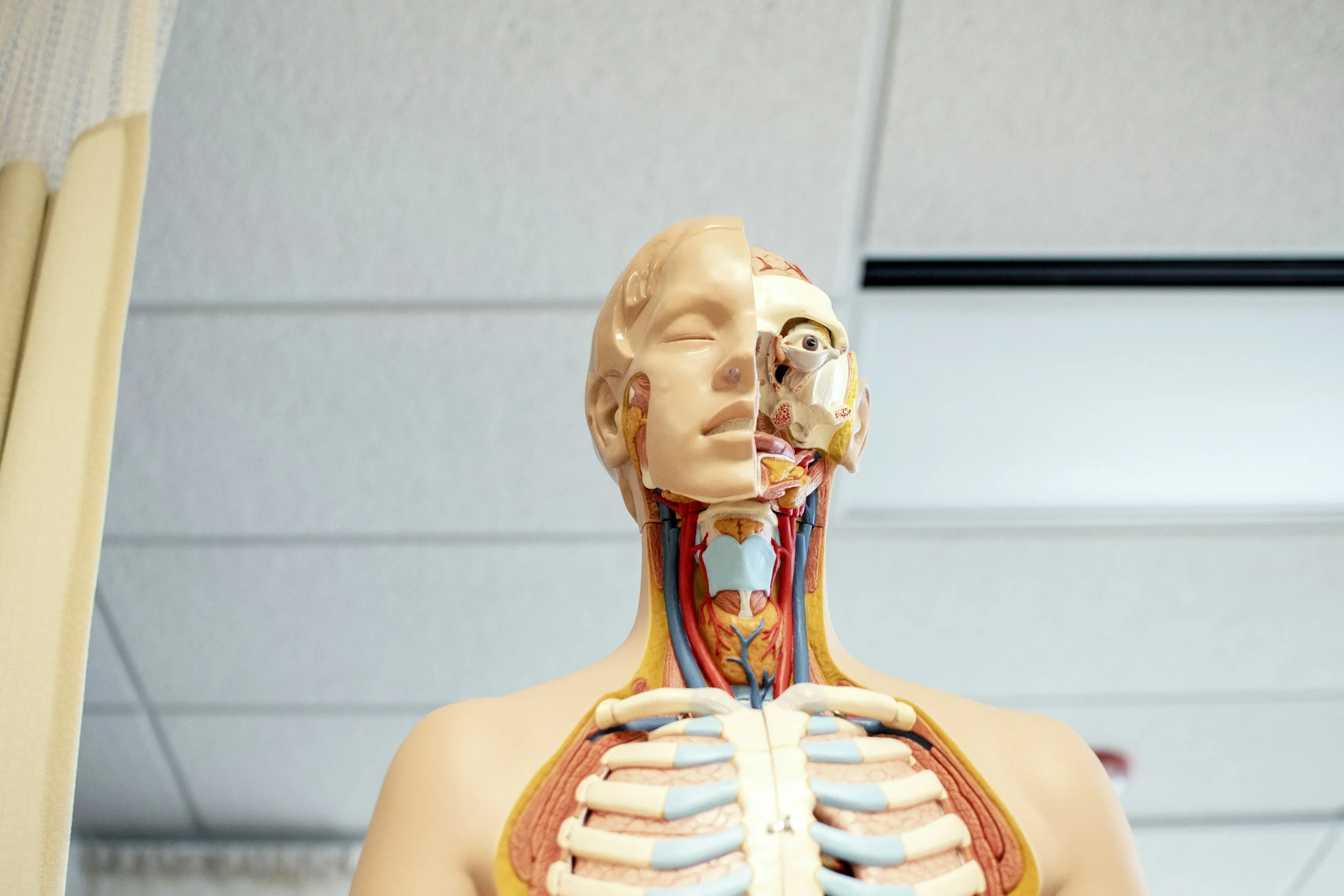
This investigative report is an exposé into the loosely regulated body parts trade, critiquing the capitalization and privatization of body donation.

This documentary examines the intersection of socioeconomic status and environmental impact, highlighting the vast disparities in individual carbon footprints. Through a sociological lens, the film shows how class shapes consumption patterns, with extreme wealth enabling carbon-intensive lifestyles (e.g., private jets, luxury cars, yachts).

Today, many Native Americans live in food apartheid and insecurity. But it wasn't always this way. Once, their lands were abundant with nutritious food sources—corn, bison, potatoes, squash, and more. So… what happened? Forced relocation meant that entire Indigenous food systems were ripped away. This triggered a public health crisis and forced a dependence on government rations that just can’t compare.

The New York Times, 2024, 20:20… Here, we reflect on the question of work and what’s supposed to be normal. Despite the game’s turn-of-the-century setting, the labor routines, activity patterns — as well as bugs and malfunctions — paint a vivid analogy for how workers today toil under capitalism. Can we, the nonplayer characters of a political economy that controls, exploits and alienates us, find a way to rebel against the absurdity of our own activities?
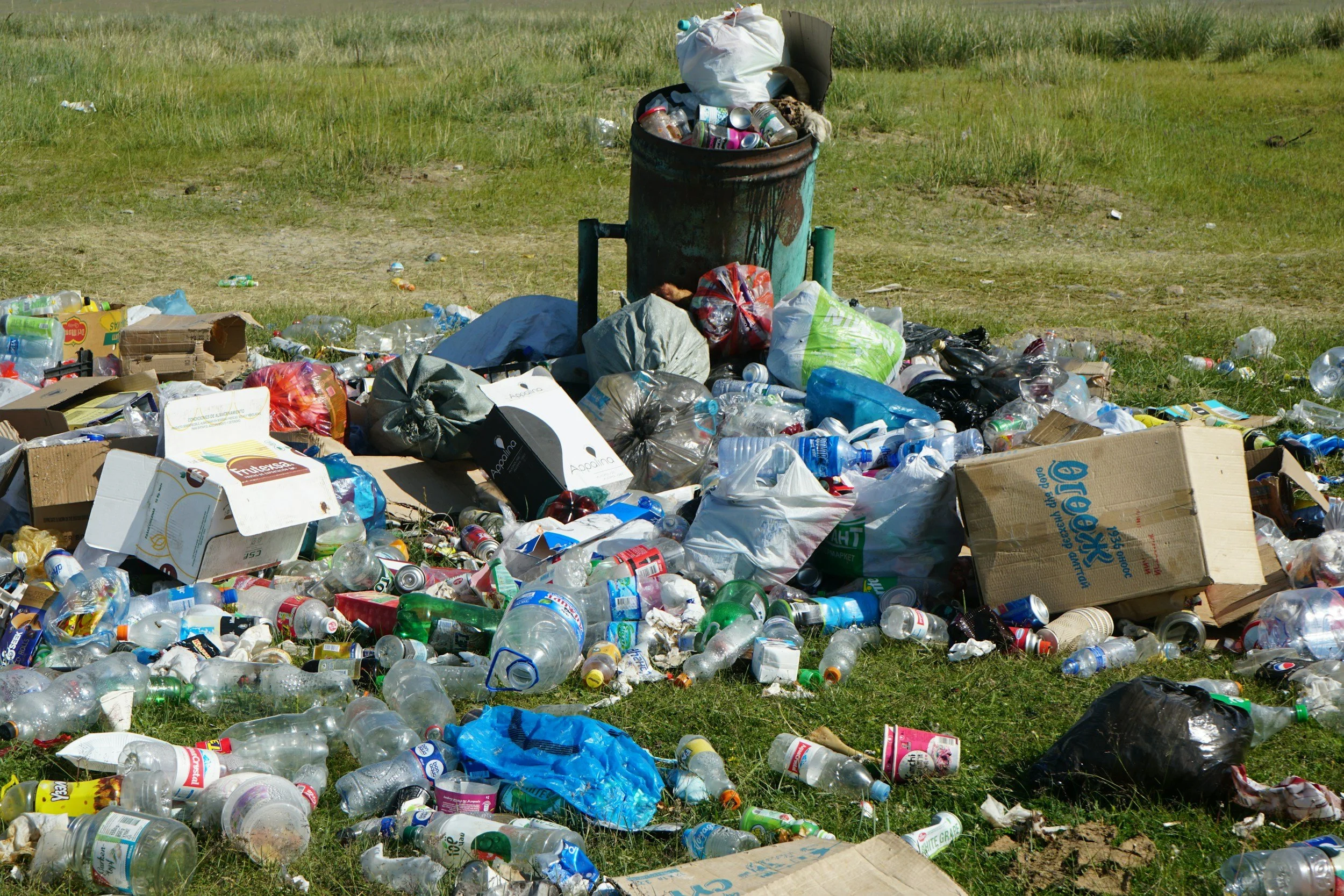
CBS Sunday Mornings, 2024, 5:02… About 48 million tons of plastic waste is generated in the United States each year, but only 5 to 6 percent of it is actually recycled. A new report from the Center for Climate Integrity, "The Fraud of Plastic Recycling," accuses the plastics industry of a decades-long campaign to "mislead" the public about the viability of recycling. Correspondent Ben Tracy talks with the report's co-author, Davis Allen, and with Jan Dell, a former chemical engineer, about an inconvenient truth surrounding the lifecycle of plastic.

The New York Times, 2024, 8:37... Should your insurance company be allowed to stop you from getting a treatment — even if your doctor says it’s necessary? Doctors are often required to get insurance permission before providing medical care. This process is called prior authorization and it can be used by profit-seeking insurance companies to create intentional barriers between patients and the health care they need. At best, it’s just a minor bureaucratic headache. At worst, people have died.

The New York Times, 2024, 10:59… The percentage of workers who belong to a union plunged to its lowest level on record in 2022. In this video, Jeff Seal, a video journalist and comedian, argues for the wider use of an industry mechanism known as a minimum standards council to strengthen the labor movement and empower workers.

The documentary Mommy Dead and Dearest (2017) explores a fascinating case of “Munchausen syndrome by proxy” (aka factitious disorder imposed on another), an abusive situation whereby a parent or guardian forces an imagined illness onto a vulnerable dependent. As a result, the once-healthy person often becomes sick from forced treatments and/or unnecessary medication.
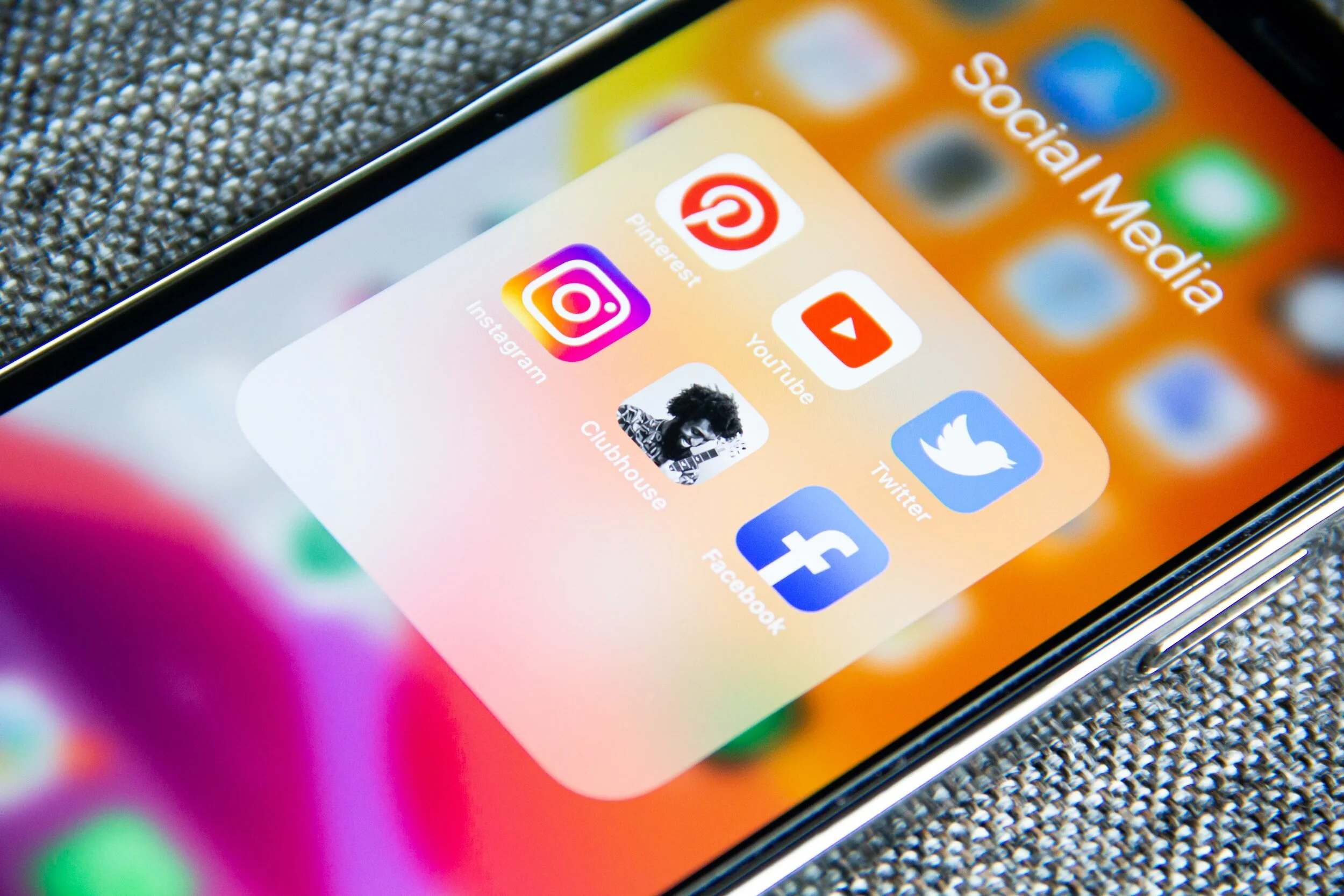
Jawline (2019) is an intimate look into young men aspiring to social media fame. Profiling a number of “influencers,” the film focuses on a teenage boy as he attempts to grow his social media followers. Platforms like Instagram, Twitter, YouTube, and TikTok mean that celebrity is no longer institutionalized in Hollywood but rather available to anyone with a camera and Internet connection. While this has democratized celebrity to some degree, it has also opened the door to self-professed “experts” who seek to exploit those hoping to go viral.
This site is made possible by your generous support!
If you found something here that has helped you, please consider making a contribution to help our cause of spreading sociology. All donations go towards server costs which amount to $180+ per year!